
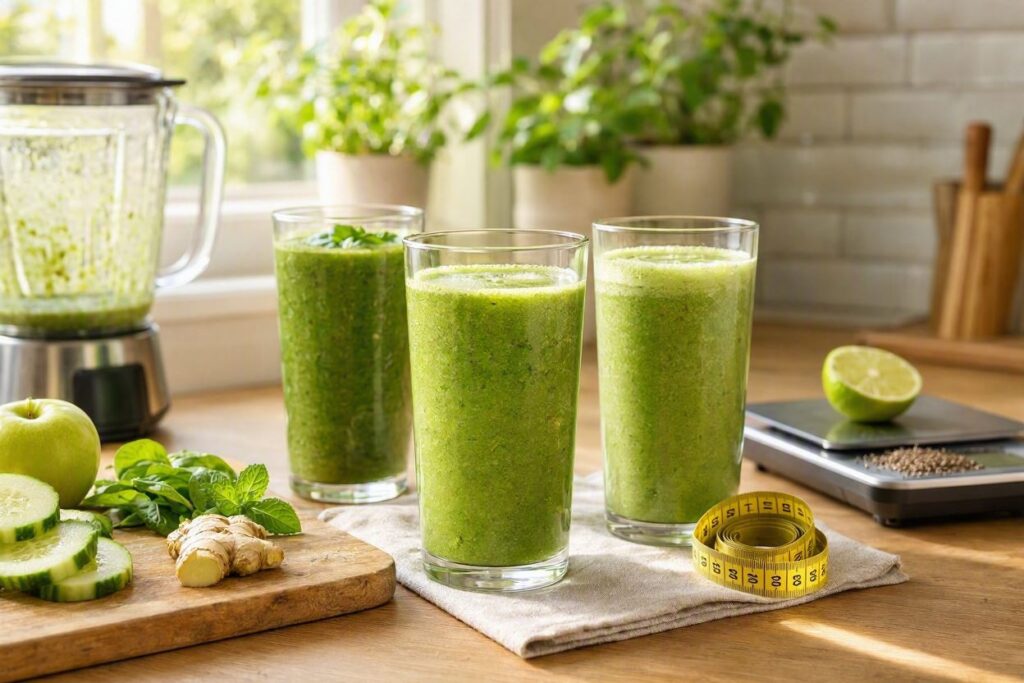
Let’s be honest: the phrase “green smoothie” doesn’t exactly make most people’s mouths water. It conjures up images of thick, grassy sludge that tastes like you’re drinking a lawn. But here’s the thing — a well-made green smoothie can genuinely help support a weight loss goal, and it doesn’t have to taste like punishment.
Green smoothies work for weight loss because they pack a huge amount of fiber, water, and nutrients into a low-calorie package, which helps you feel full without overloading on calories. They’re also fast. On a busy morning, blending a smoothie takes less time than making eggs, and you can drink it in the car if you have to.
Below are seven green smoothie recipes designed with weight loss in mind — meaning they’re built around fiber-rich greens, lean protein, healthy fats in moderation, and just enough natural sweetness to keep you coming back. Each one is easy to customize based on what’s in your fridge.
Why Green Smoothies Actually Help With Weight Loss
Before jumping into the recipes, it helps to understand why these drinks can support fat loss instead of just being a trendy habit.
They’re high in volume, low in calories. Leafy greens like spinach and kale are mostly water and fiber. You can blend two full cups of spinach into a smoothie and barely add 15–20 calories, while adding significant bulk that helps you feel satisfied.
Fiber slows digestion. According to the Mayo Clinic, high-fiber foods take longer to digest, which helps you feel full longer and can naturally reduce how much you eat later in the day. Most green smoothies made with whole fruits and vegetables (not juice) retain this fiber, unlike juiced versions that strip it out.
They replace less healthy options. A green smoothie in place of a pastry, sugary cereal, or fast-food breakfast sandwich is a straightforward calorie swap. Over weeks and months, that swap adds up.
Protein and fat additions curb cravings. A smoothie made of only fruit and greens can spike blood sugar and leave you hungry an hour later. Adding a protein source (Greek yogurt, protein powder, or nut butter) and a small amount of healthy fat helps stabilize blood sugar and extend fullness, which is one reason the Cleveland Clinic often recommends pairing carbohydrates with protein at meals.

The recipes below are built with all of this in mind — real food, fiber intact, and enough protein to keep you full until your next meal.
A Few Quick Tips Before You Start Blending
- Use frozen fruit. It keeps the smoothie cold and thick without needing ice, which waters down flavor.
- Start with less liquid than you think you need. You can always add more; you can’t take it out.
- Rotate your greens. Spinach is the mildest and easiest starting point. Kale, romaine, and even parsley can be added in small amounts once you’re used to the flavor.
- Don’t skip the protein. A smoothie without protein is basically a fancy fruit juice, and it won’t keep you full.
- Blend greens with liquid first. This helps break down the leaves fully before adding thicker ingredients like yogurt or frozen fruit.
Now, let’s get into the recipes.
1. Classic Spinach-Banana Slimdown Smoothie
This is the smoothie to start with if green smoothies are new to you. The banana masks the taste of spinach almost completely, so it’s a gentle introduction.
Ingredients:
- 1 cup fresh spinach
- 1 frozen banana
- 1 tablespoon almond butter
- 1 cup unsweetened almond milk
- 1/2 cup plain Greek yogurt
- Ice, if needed
Why it works for weight loss: The banana and almond butter add natural sweetness and satiety, while the Greek yogurt boosts protein to roughly 15–18 grams per serving, helping you stay full through mid-morning.
Approximate calories: 260–290
2. Pineapple-Kale Metabolism Booster
Pineapple’s natural acidity and sweetness balance out kale’s slightly bitter, earthy flavor, making this a refreshing option that doesn’t taste “healthy” in a bad way.
Ingredients:
- 1 cup chopped kale (stems removed)
- 3/4 cup frozen pineapple chunks
- 1/2 cup unsweetened coconut water
- 1/2 cup plain Greek yogurt
- Juice of 1/2 lime
Why it works for weight loss: Pineapple contains bromelain, an enzyme that supports digestion, while the fiber in kale contributes to fullness. This one is lower in natural sugar than a full-fruit smoothie, since pineapple is used in a moderate portion.
Approximate calories: 190–220
3. Green Protein Powerhouse
This is the recipe for anyone using smoothies as a post-workout recovery drink or a meal replacement rather than a light snack.
Ingredients:
- 1 1/2 cups spinach
- 1 scoop vanilla protein powder
- 1/2 frozen banana
- 1 tablespoon peanut butter
- 1 cup unsweetened almond milk
- Handful of ice
Why it works for weight loss: With 25+ grams of protein per serving, this smoothie functions more like a full meal, which makes it easier to control overall daily calorie intake without feeling deprived.

Approximate calories: 320–360
4. Cucumber-Mint Detox Cooler
Not a literal “detox” (your liver and kidneys already handle that), but this smoothie is light, hydrating, and genuinely refreshing — a good pick for hot days or afternoon slumps.
Ingredients:
- 1 cup spinach
- 1/2 cucumber, peeled
- 1/2 green apple
- 5–6 fresh mint leaves
- Juice of 1/2 lemon
- 3/4 cup water or coconut water
Why it works for weight loss: This is one of the lowest-calorie options on the list, largely because cucumber is over 95% water. It’s a great choice when you want something light between meals rather than a full breakfast replacement.
Approximate calories: 90–120
5. Avocado-Spinach Creamy Green Smoothie
Avocado gives this smoothie a milkshake-like texture without any dairy, and the healthy fats help you feel satisfied for hours.
Ingredients:
- 1 cup spinach
- 1/4 avocado
- 1/2 frozen banana
- 1 cup unsweetened almond milk
- 1 teaspoon honey (optional)
Why it works for weight loss: Avocado’s monounsaturated fat, per Harvard Health, is associated with improved satiety and heart health when used in moderate portions. Keeping it to a quarter avocado (not a whole one) keeps calories in check while still delivering that creamy texture.
Approximate calories: 230–260
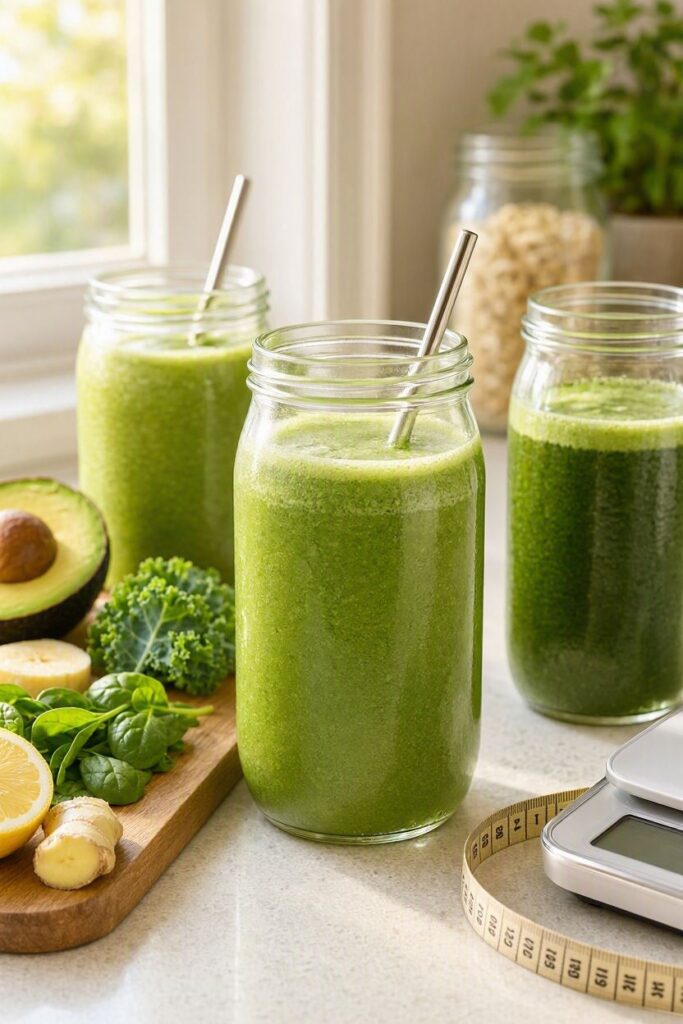
6. Berry-Green Antioxidant Blend
Berries bring natural sweetness and a deep, rich color, while still keeping the greens front and center nutritionally.
Ingredients:
- 1 cup spinach
- 3/4 cup mixed frozen berries (blueberries, strawberries, raspberries)
- 1/2 cup plain Greek yogurt
- 3/4 cup unsweetened almond milk
- 1 tablespoon ground flaxseed
Why it works for weight loss: Berries are lower in sugar than tropical fruits like mango or pineapple, while ground flaxseed adds fiber and omega-3 fatty acids, both of which support fullness and metabolic health.
Approximate calories: 210–240
7. Ginger-Green Apple Digestive Aid
This one leans into digestive comfort, with ginger known to help settle the stomach and reduce bloating — useful if you tend to feel puffy or sluggish in the mornings.
Ingredients:
- 1 cup spinach or romaine
- 1/2 green apple, cored
- 1/2-inch piece fresh ginger, peeled
- Juice of 1/2 lemon
- 1 cup unsweetened almond milk
- 1/2 cup plain Greek yogurt
Why it works for weight loss: Beyond the digestive benefits, the combination of apple’s fiber and Greek yogurt’s protein makes this a well-rounded, moderate-calorie option that won’t leave you hungry an hour later.
Approximate calories: 200–230
Quick Reference: Comparing the 7 Smoothies
| Smoothie | Best For | Approx. Calories | Protein Level |
|---|---|---|---|
| Spinach-Banana Slimdown | Beginners | 260–290 | Moderate |
| Pineapple-Kale Booster | Digestion support | 190–220 | Moderate |
| Green Protein Powerhouse | Meal replacement | 320–360 | High |
| Cucumber-Mint Cooler | Light snack/hot days | 90–120 | Low |
| Avocado-Spinach Creamy | Satiety/fullness | 230–260 | Moderate |
| Berry-Green Antioxidant | Lower sugar option | 210–240 | Moderate |
| Ginger-Green Apple | Bloating/digestion | 200–230 | Moderate |
How to Make Green Smoothies Work for Actual Weight Loss
A smoothie on its own doesn’t cause weight loss — it’s what it replaces and how it fits into your overall day that matters. A few practical guidelines:
Use it as a meal or a snack, not an addition. Drinking a 300-calorie smoothie in addition to your normal breakfast adds calories, not subtracts them. Swap it in for something less nutritious instead.
Watch the fruit-to-veggie ratio. A smoothie that’s 90% fruit is closer to a milkshake in sugar content. Aim for at least a 1:1 ratio of greens to fruit, and lean toward lower-sugar fruits like berries and green apple over mango, banana in large amounts, or grapes.
Don’t go overboard on add-ins. Nut butters, oils, and seeds are healthy, but they’re calorie-dense. A tablespoon of peanut butter is around 95 calories — that adds up fast if you’re pouring generously.
Blend, don’t juice. Juicing removes the fiber that helps you feel full and slows sugar absorption. Blending keeps the whole fruit and vegetable intact, fiber included.
Be consistent, not perfect. One green smoothie a day, five or six days a week, tends to produce better long-term results than an all-or-nothing approach where you do it perfectly for three days and then stop.
Frequently Asked Questions
Can I drink a green smoothie every day and still lose weight? Yes, as long as it fits within your overall daily calorie needs and replaces a less nutritious option rather than adding extra calories on top of your normal meals. Consistency matters more than any single ingredient.
Do I need to add protein powder to my green smoothie? No, but it helps. Protein slows digestion and keeps you full longer, which supports weight loss. If you’d rather skip powder, Greek yogurt, cottage cheese, or a spoonful of nut butter can serve the same purpose.
Which greens are best for a weight loss smoothie? Spinach is the mildest and easiest to start with since it blends smoothly and has a subtle flavor. Kale and romaine offer more fiber and nutrients but a stronger taste, so many people mix them with spinach rather than using them alone at first.
How many calories should a green smoothie have? For a snack, aim for 100–200 calories. For a meal replacement, 300–400 calories with adequate protein (20+ grams) is more appropriate so you don’t end up hungry within an hour.
Is it better to make smoothies with water, milk, or juice? Water or unsweetened almond milk are generally the best choices for weight loss, since they add minimal calories. Fruit juice adds unnecessary sugar and calories without contributing fiber or significant nutrition.
Can green smoothies replace a full meal? They can, especially the higher-protein recipes above (like the Green Protein Powerhouse), as long as they contain enough protein, healthy fat, and fiber to keep you satisfied for several hours. A smoothie made only of fruit and greens is usually too light to function as a full meal.
Will green smoothies cause a sugar crash? It depends on the recipe. A smoothie heavy in tropical fruit and light on protein and fat can cause a blood sugar spike followed by a crash. Balancing fruit with protein and a small amount of fat (as in the recipes above) helps prevent that.
Final Thoughts
Green smoothies aren’t a magic weight loss solution, but they’re a genuinely useful tool when they’re built correctly — enough greens for fiber and volume, enough protein and fat for fullness, and controlled portions of fruit for flavor without excess sugar. The seven recipes above give you a solid rotation to start with, whether you’re looking for a light snack, a post-workout recovery drink, or a full meal replacement on a busy morning.
Start with the mildest option if you’re new to green smoothies, and adjust the greens-to-fruit ratio as your taste buds adapt. Small, sustainable swaps like this — done consistently — tend to add up to real results over time.